
Az alaplap mérete megmutatja, hogy egy hajrendszer mekkora területet fed le. A hajhossz megmutatja, hogy milyen hosszú a haj az adott alapon. Ezek különálló mérések. A hosszabb frizura nem jelenti automatikusan a nagyobb alaplapot, és a nagyobb alaplaphoz nem jár automatikusan hosszabb haj.
Ha ez az első rendszered, amit összehasonlítasz, írd le ezt a két mérést külön sorba, mielőtt kiválasztod a változatot. Ez az útmutató elmagyarázza, mit érdemes feljegyezni, hogyan kerüld el a mértékegység-tévesztéseket, és mit érdemes megerősíteni a ReHairrel a rendelés vagy a vágás kérése előtt.
Új vagy a szaknyelvben? Kezdd ezzel: első hajrendszer útmutató.
Alaplap mérete, hajhossz és sűrűség: három különböző döntés
- Alaplap mérete: a hajat tartó alap szélessége és elöl-hátra irányú hosszúsága. A körvonala is számít.
- Hajhossz: a szállított haj hossza a végső hajvágás előtt, hacsak egy adott termék másként nem jelzi.
- Sűrűség: a haj mennyisége és vizuális teltsége. Ez nem a lefedett terület mérése.
Például egy termékleírás megadhat egy 8 × 10 hüvelykes alaplapot és 6 hüvelykes hajat. Az első számpár az alaplapot írja le; a második szám a hajat. Ez egy példa a specifikáció értelmezésére, nem pedig ajánlás arra, hogy mindenkinek ezeket a méreteket kell megvásárolnia.
Kezdd azzal a területtel, amit le szeretnél fedni
Döntsd el, hogy az elülső hajvonálnál, a halántéknál, a fejtetőnél vagy egy nagyobb, a fejtetőt átfogó területen van-e szükséged lefedettségre. A keskeny frontális darab és a nagyobb, a fejtetőt lefedő rendszer különböző célokat szolgál, még akkor is, ha a hajszínük hasonlónak tűnik.
Készíts egy tiszta, felülről, elölről és oldalról készült referenciaképet, ha kényelmesen megosztod őket a tanácsadóddal. A lefedettségi területet bekeretezheted anélkül, hogy az arcod belekerülne. A fotók segítenek elmagyarázni a körvonalat, de nem helyettesítik a méréseket.
Helyi lefedettséghez böngészd a ReHair hair patches. termékeket. Nagyobb raktári rendszerekhez hasonlítsd össze a férfi hajrendszerek. elemeket. Ne válassz teljes sapkás parókát csupán azért, mert egy kis foltot “hajdarabnak” neveznek. Olvasd el a lefedettség leírását.
Jegyezd fel a szélességet és az elöl-hátra irányú hosszúságot – mértékegységgel
A rugalmas mérőszalag jobban követi a fej alakját, mint az egyenes vonalzó. Jegyezd fel a tervezett lefedettségi terület oldalirányú szélességét és elöl-hátra irányú hosszúságát, és kérd meg a fodrászodat vagy tanácsadódat, hogy erősítse meg a határokat, ha bizonytalan vagy. Ne borotválj vagy vágj le semmit csak azért, hogy előzetes méréseket szerezz.
Írd oda a számok mellé, hogy “szélesség” és “elöl-hátra”. Egy csupasz megjegyzés, például “6 × 8”, nem mondja meg a tanácsadódnak, hogy melyik irányt mérted, vagy hogy hüvelyket vagy centimétert használtál-e.
- Őrizd meg az eredeti mérést és annak mértékegységét.
- Átváltáshoz 1 hüvelyk = 2,54 cm; a kerekített átváltást jelöld meg hozzávetőlegesként.
- Ellenőrizd, hogy a termék a szélességet vagy a hosszúságot sorolja-e fel először, ahelyett hogy feltételeznéd, hogy minden szállító ugyanazt a sorrendet használja.
- Ha az oldal nem adja meg a mértékegységeket, a fizetés vagy a módosítások kérése előtt kérj megerősítést.
Egy kis hajlított folt esetében is szükség lehet körvonalra, nem csak két számra. Jegyezd fel, hogy a megadott méretek a teljes alaplapra, a lefedettségi területre vagy az alakzat egy adott részére vonatkoznak-e.
Miért számít az alaplap körvonala ugyanannyira, mint a számok
Két alaplapnak lehet ugyanaz a maximális szélessége és hosszúsága, de eltérő első kontúrja és kerülete. A belső oldalról készült fotó segít látni, hol helyezkedik el a csipke, a poliuretán és más szerkezeti részletek.
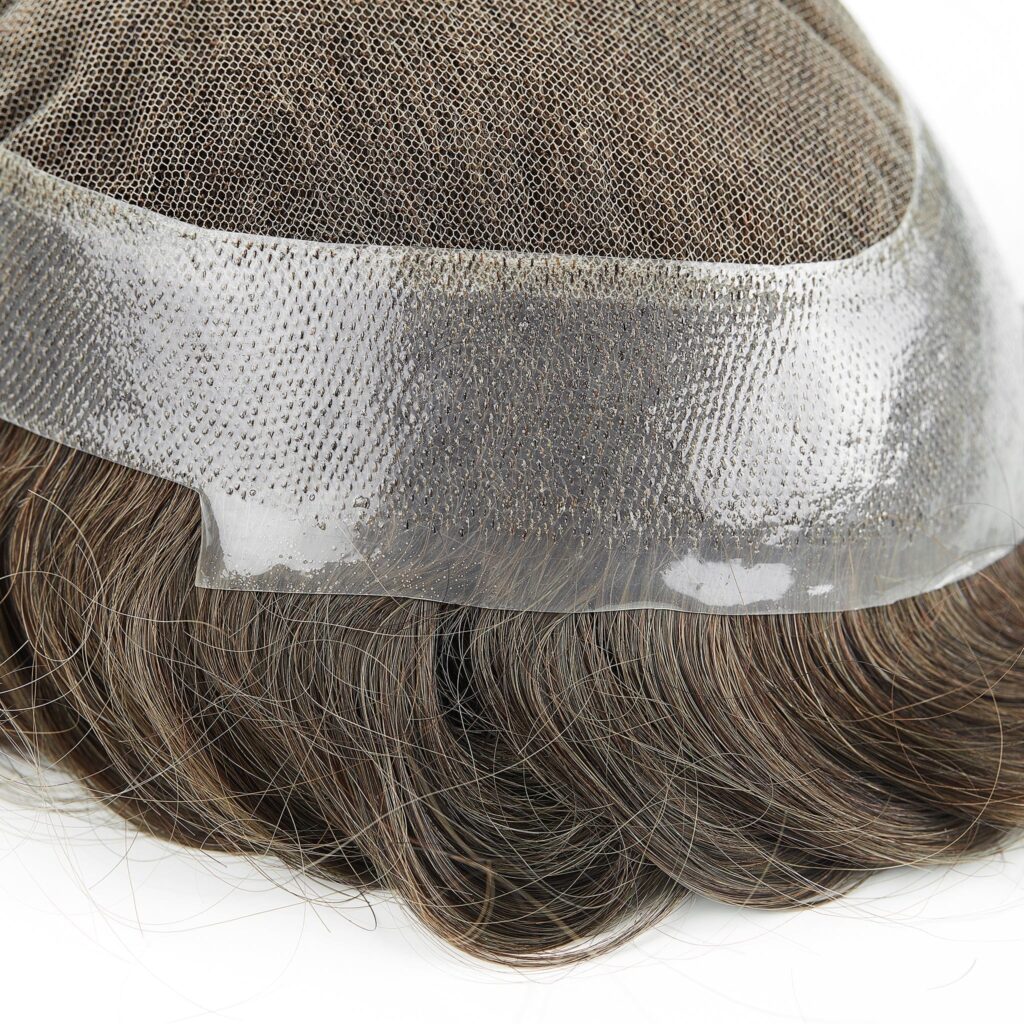
A fenti ReHair példában a központ és a kerület különböző anyagokat használ. Ez egy szerkezeti példa, nem méretarányos rajz vagy mérési útmutató. Ne becsülj centimétereket egy képből ellenőrzött léptékreferencia nélkül.
Mielőtt kisebb alaplapot kérnél, győződj meg róla, hogy a javasolt vágás alkalmas-e pontosan arra a szerkezetre. A vágás megváltoztathatja a rögzítéshez rendelkezésre álló kerületet. A “vágható” soha nem jelentheti azt, hogy bármilyen körvonal kivágható bármilyen alaplapból.
Válaszd a hajhosszt a kész stílushoz
Gondold át, hol szeretnéd, hogy az elülső rész, az oldalak és a hátulja elhelyezkedjenek a beillesztés után. Mutass a fodrászodnak egy referenciát a kész stílusról, és erősítsd meg, mennyi szállított hosszúsággal kell dolgoznia.
Hullámos vagy göndör haj esetén kérdezd meg, hogyan méri az eladó a hosszúságot: a kifeszített hosszúság és a fürt látható hosszúsága nem felcserélhető. A kész fürtmintázatról készült fotó hasznos az írásos specifikáció mellett.
Ne használd a hajhosszúságot a rossz alaplapméret kompenzálására. A hosszabb szálak megváltoztathatják a frizurát, de nem növelik meg az alapot, és nem oldják meg a nem megfelelő rögzítési elrendezést.
Tartsd a színt és a sűrűséget ugyanazon a rendelési ellenőrzőlistán
Amint a lefedettség és a méretek tisztázódtak, jegyezd fel a pontos színkódot, a szürkítés arányát és a kiválasztott változat sűrűségét. A hasonlónak tűnő termékfotók nem elegendőek az egyezés megerősítéséhez.
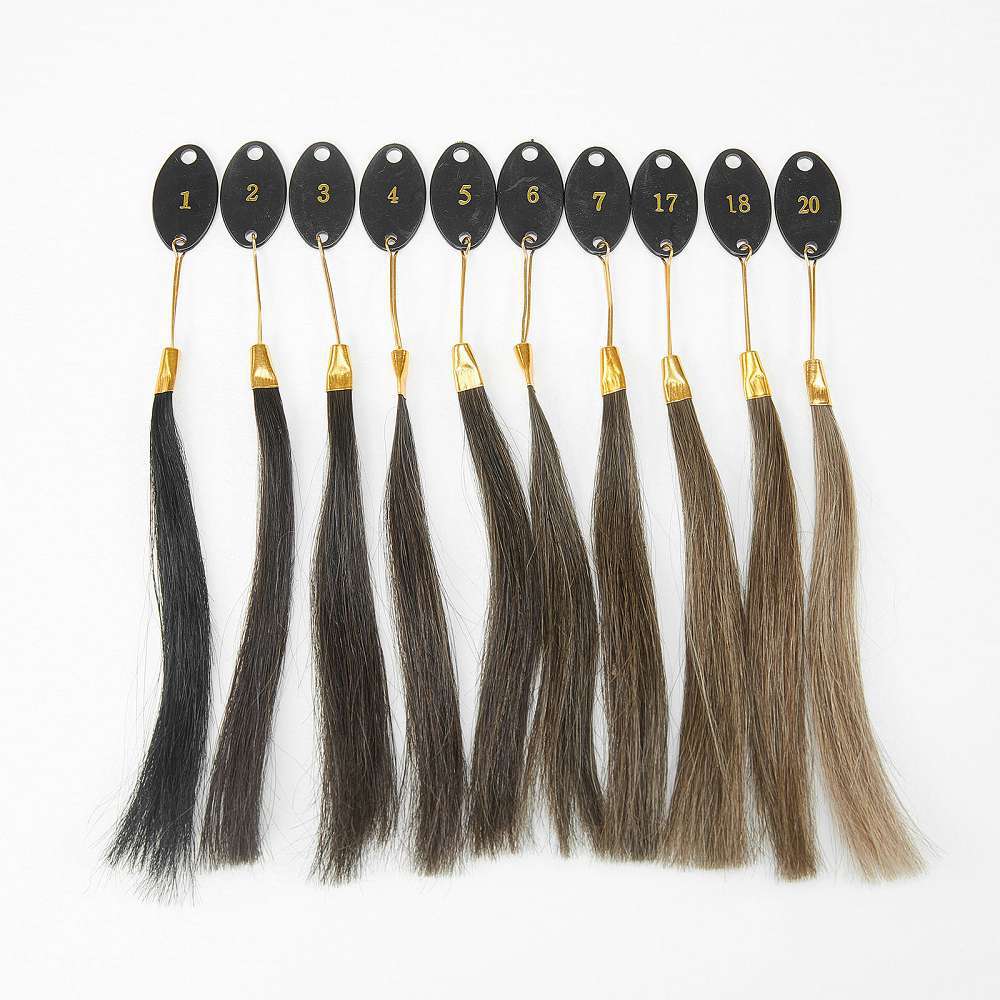
Használja a ReHair colour guide as a starting point. Lighting and screens affect appearance; ask about a physical reference when an exact match matters. Do not assume that the same colour number from a different supplier means an identical shade.
Egy ellenőrzőlista, amit a rendelés előtt elküldhetsz
Copy the following into your enquiry. “Not sure” is a useful answer—better than an incorrect default.
- Product link:
- Coverage area: front / temples / crown / larger top area / other
- Base width and unit:
- Base front-to-back length and unit:
- Outline or existing-unit reference:
- Hair length and desired finished style:
- Colour code and grey blend:
- Density and texture:
- Base cutting or styling requested:
- Details I still need help confirming:
If you are replacing a comfortable existing unit, its specification sheet, template or underside photos can help explain what you want to retain. Confirm whether its shape still suits your current coverage needs rather than assuming an old measurement is unchanged.
Vágás, formázás vagy felhelyezés előtt
Inspect the delivered product and check the confirmed specifications before altering it. Base cutting and haircutting are different services: one changes the foundation, the other changes the hair. Where a service is offered, confirm the instructions, price and preparation time before approving it.
Read the current return and refund policy before you request alterations. Do not assume a customised or altered item has the same return eligibility as an unused stock item.
Still deciding? Ask ReHair to check your measurements and product choice, or explore the egyedi hajrendszer útvonala if a stock shape does not meet your needs.

 English
  Français
  Deutsch
  Español
  Português
  Italiano
  Nederlands (Formeel)
  Suomi
Suomi  Svenska
  Čeština
  Dansk
Dansk  Ελληνικά
  Magyar
  Polski