
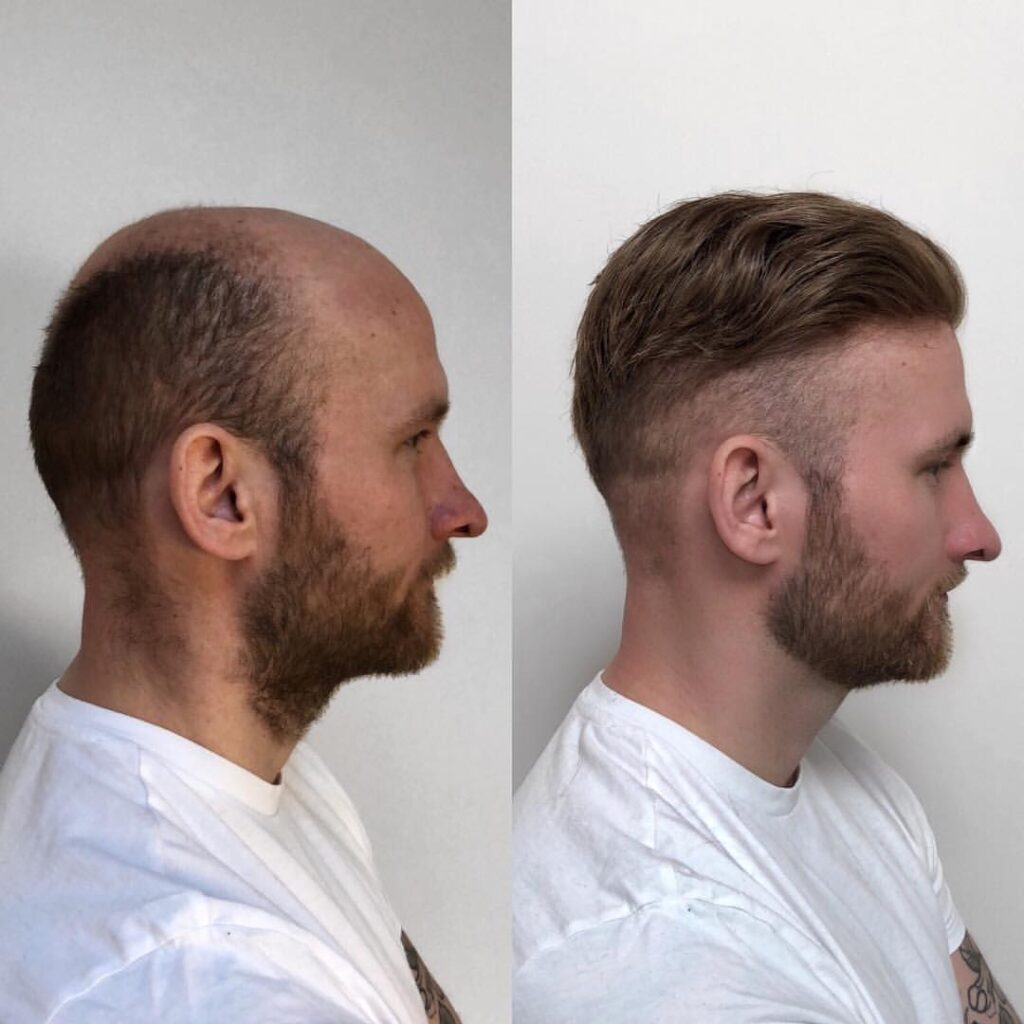
Un sistema capilar es una pieza de reemplazo capilar no quirúrgica hecha de cabello humano o sintético adherida a una base fina. Se ajusta sobre un área específica de pérdida de cabello y se puede cortar, colorear y peinar para que se integre con el cabello existente del usuario.
Esa simple definición oculta varias decisiones. La base, el tamaño de cobertura, el color del cabello, el porcentaje de canas, la densidad, la textura y el método de adhesión afectan todos a cómo se ve y se siente un sistema. No existe una única combinación “mejor” para todos.
Esta guía explica esas decisiones en lenguaje sencillo, para que puedas prepararte para un primer pedido sin pretender conocer especificaciones que aún no has confirmado.
Respuesta rápida: ¿cómo funciona un sistema capilar?
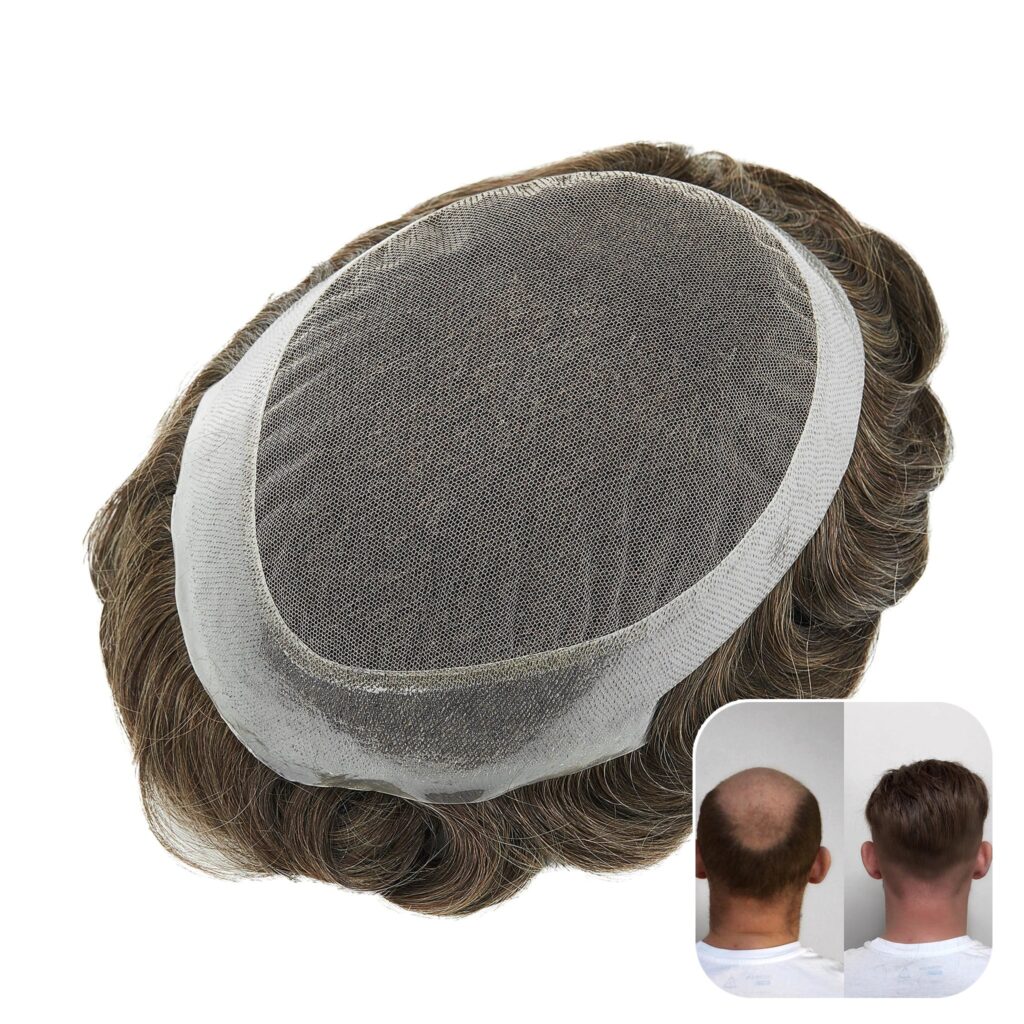
El cabello se ventila, se inyecta o se adhiere de otra forma a una base hecha de encaje, piel de poliuretano, material monofilamento o una combinación de estos. La base se apoya contra el cuero cabelludo y se asegura mediante un método adecuado para el producto y el usuario, como cinta, adhesivo líquido, clips o un enfoque ajustado en salón.
Una vez colocado, el cabello se corta y se integra con el cabello circundante. El resultado final depende de adaptar el sistema a la persona, no solo de elegir la base más fina o el cabello más caro.
Sistema capilar, peluquín o peluca: ¿cuál es la diferencia?
Estas palabras a veces se usan indistintamente, pero no siempre describen la misma cobertura o proceso de compra.
| Término | Significado típico | Cobertura común | Enfoque principal de selección |
|---|---|---|---|
| sistema capilar | Un reemplazo ajustado y no quirúrgico diseñado para un área definida de pérdida de cabello | Parcial o extensa | Base, tamaño, especificaciones del cabello y rutina de adhesión |
| Peluquín | Un término tradicional que suele usarse para una pieza parcial de cabello masculina | Normalmente parte superior, coronilla o frontal | Integración con el cabello propio del usuario |
| Peluca | Una pieza que generalmente cubre todo el cuero cabelludo | Cabeza completa | Construcción de la base, ajuste, estilo y cobertura general |
En la práctica, un vendedor puede llamar al mismo producto parcial sistema de cabello, sistema de reemplazo capilar, pieza capilar o peluquín. Lea los detalles de tamaño y construcción en lugar de confiar solo en el nombre.
Para una visión general más profunda de primer orden, consulte la Guía para principiantes.
¿Quién puede considerar un sistema capilar?
Un sistema de cabello puede ser adecuado para alguien que desea una forma no quirúrgica de cubrir el raleo o la pérdida de cabello y se siente cómodo con una rutina de colocación y mantenimiento. También puede ser adecuado para usuarios experimentados que ya conocen su base, tamaño, color y densidad y desean reproducir una especificación familiar.
Las situaciones iniciales comunes incluyen:
- ralo en la parte superior mientras queda cabello utilizable a los lados y atrás;
- recesión o pérdida concentrada alrededor de la línea frontal del cabello;
- una corona rala u otra área más pequeña que no requiere cobertura completa;
- una necesidad de un rizo, textura, densidad o forma de base personalizada en particular;
- una preferencia por una opción removible en lugar de un procedimiento quirúrgico.
Un sistema de cabello no diagnostica ni trata la causa de la pérdida de cabello. La pérdida de cabello puede tener diferentes causas, y el NHS aconseja buscar ayuda clínica si le preocupa. Si la pérdida es repentina, irregular, dolorosa, inflamada o inexplicable de otra manera, hable con un profesional de la salud calificado antes de tratarla solo como una preocupación cosmética.
Las cinco decisiones que debes tomar antes de tu primer pedido
No necesita llegar con todos los términos técnicos memorizados. Sí necesita suficiente información para evitar elegir solo por una foto de modelo. Comience con la cobertura, luego continúe con la construcción y las especificaciones del cabello.
1. ¿Qué área necesita cobertura?
La cobertura es lo primero porque determina el tamaño de la base y la categoría del producto. Un sistema superior estándar, una pieza frontal, un parche de corona y una solución de gorra completa no son intercambiables.
Mida el área que pretende cubrir y compárela con las dimensiones de base listadas. Si una base de stock es más grande de lo requerido, verifique si ese modelo se puede recortar de manera segura y cómo la alteración afecta su construcción. No asuma que toda base se puede recortar de la misma manera.
2. ¿Qué base se adapta a tu rutina?
La base es el material que sostiene el cabello y se apoya contra el cuero cabelludo. La guía actual de ReHair es que no existe una base universal mejor: el clima, la rutina de colocación, la frecuencia de remoción y las prioridades son todos importantes.
| Familia de base | Lo que puede ofrecer | Compromiso a considerar | Un punto de partida práctico |
|---|---|---|---|
| Encaje | Flujo de aire y sensación ligera | La limpieza del adhesivo a través de la malla puede requerir cuidado | Climas cálidos, rutinas activas o personas que priorizan la transpirabilidad |
| Piel delgada | Una superficie de perfil bajo y limpieza de adhesivo sencilla | Menos flujo de aire; el material muy delgado necesita un manejo suave | Líneas de cabello expuestas o usuarios que priorizan un acabado similar al cuero cabelludo |
| Mono | Más estructura para manipulación repetida y densidades más llenas | Más pesado y menos transparente que el encaje fino o la piel muy delgada | Rutinas que priorizan la durabilidad o personas que prefieren una base más firme |
| Híbrido | Combina materiales, como encaje con un perímetro de poliuretano | Hereda algunos compromisos de ambos materiales | Usuarios primerizos o prioridades mixtas como flujo de aire más colocación perimetral más fácil |
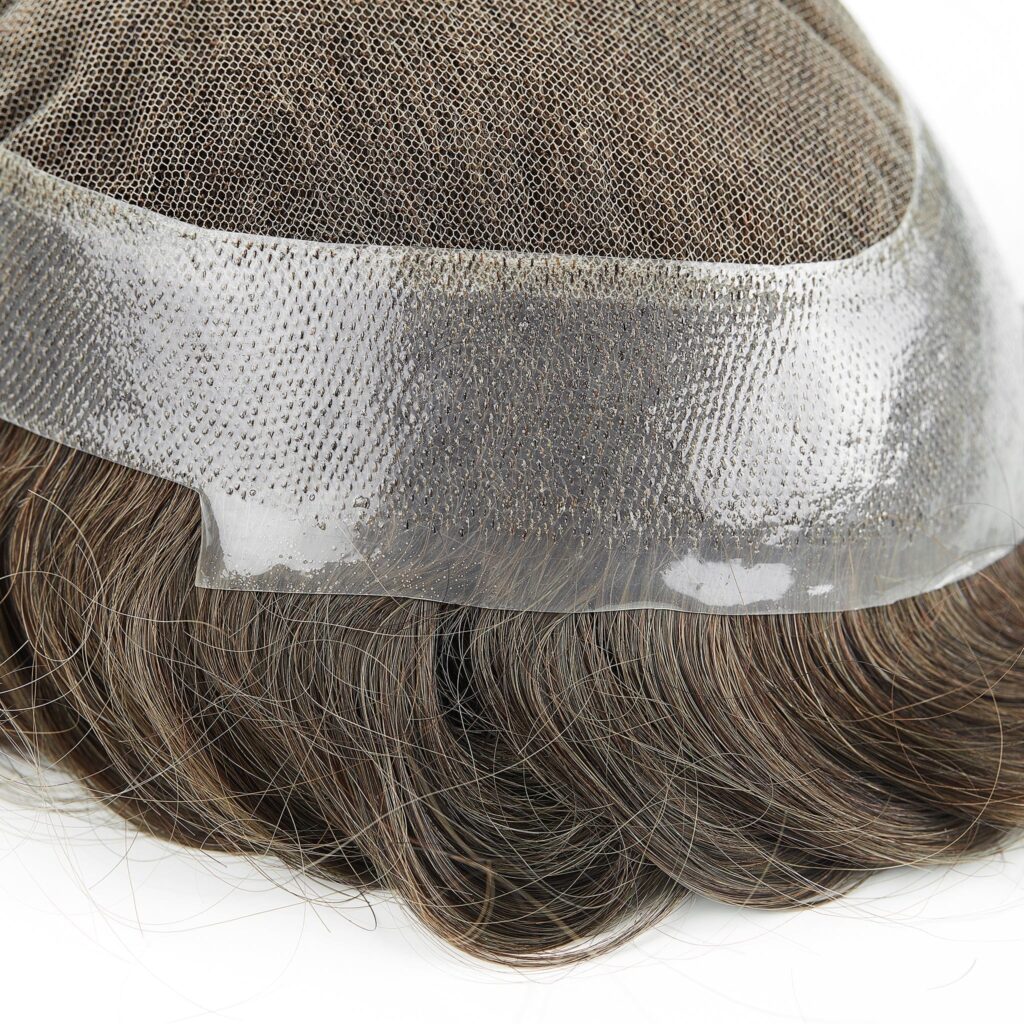
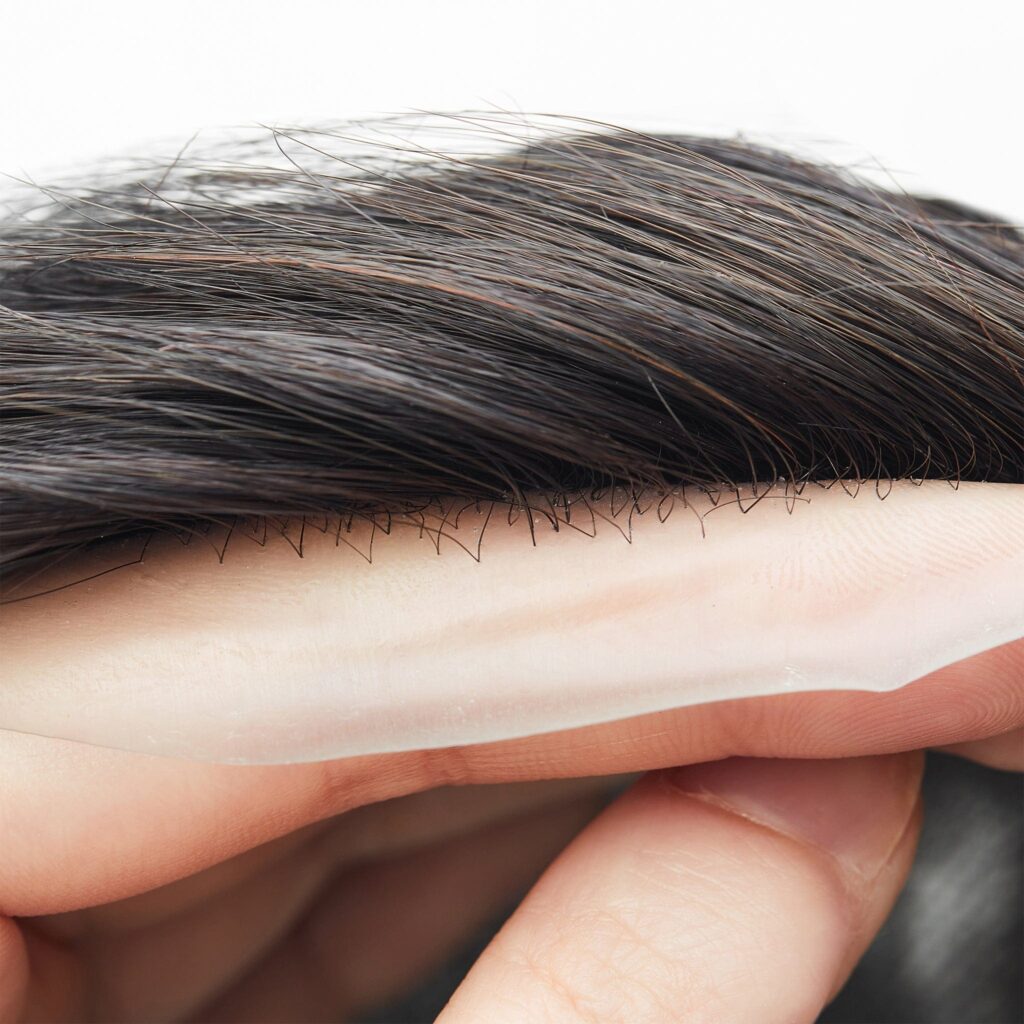
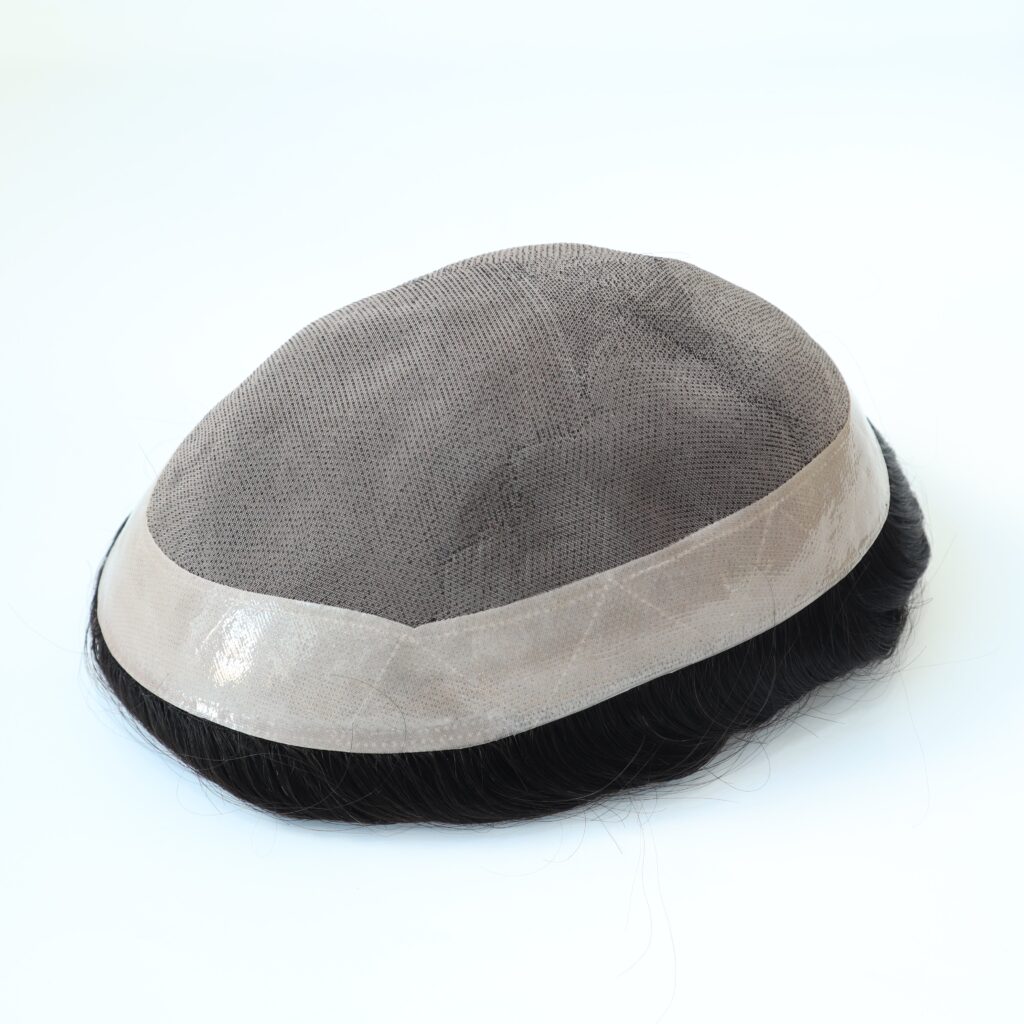
This is a decision framework, not a durability or appearance guarantee. Use the Hair System Base Selector for a routine-based recommendation, or compare the base types before choosing.
3. ¿Qué tamaño y forma necesitas?
Base size should match the area being covered and leave enough surrounding hair for a clean blend where applicable. Too large can cover healthy hair unnecessarily; too small can leave the edge of the loss area exposed.
Stock systems use preset dimensions. Some can be cut to a smaller shape, while others have features—such as a reinforced perimeter or a specific front construction—that limit where material should be removed. A custom system is more appropriate when the required shape, size or contour does not fit a stock option.
4. ¿Qué color y porcentaje de canas coinciden?
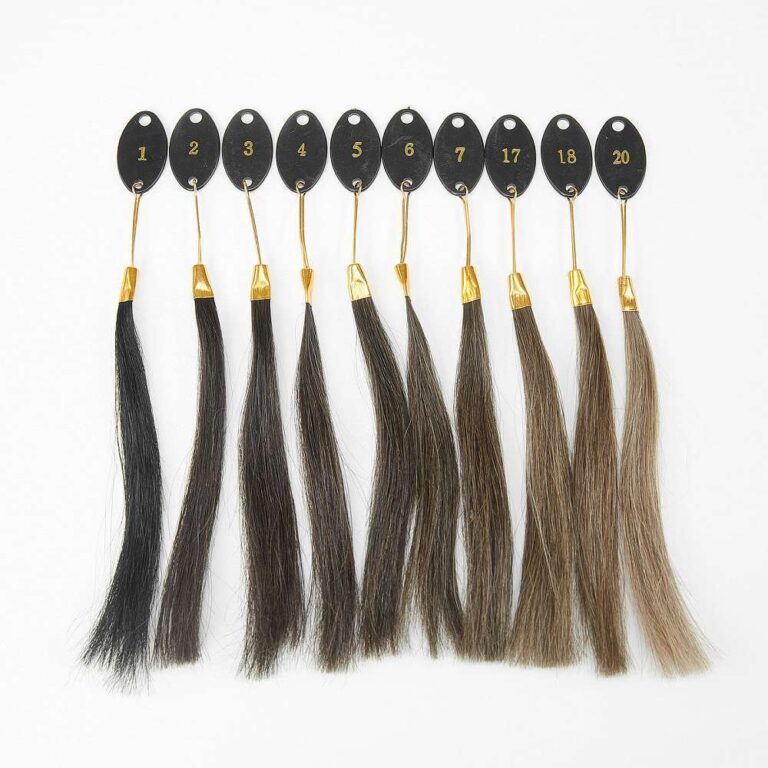
Hair color is easier to judge from several strands than from a single screen photo. Indoor light, phone processing and monitor settings can all shift how a shade appears.
Compare the system with hair from the sides or back that will remain visible. Confirm the base color code, any gray percentage and whether the gray is distributed or concentrated in a particular area. ReHair’s Hair Color Guide is a useful reference, but a physical color sample or clear natural-light photos may be safer for a close match.
5. ¿Qué densidad, textura y longitud se integrarán mejor?
Density describes how much hair is distributed across the base. More density is not automatically more natural. The right amount should relate to the wearer’s existing hair, preferred style, age presentation and base construction.
Texture and curl also need to match the intended finished style. Straight, wavy, curly and coily specifications should not be treated as visual labels alone. Length needs to leave enough hair for the cut-in while remaining suitable for the selected product and style.
Stock o personalizado: ¿qué debería elegir un comprador primerizo?
A stock system uses a preset base, size range and available hair specifications. A custom system is built around selected measurements and details. The better route depends on how closely a stock option matches the required specification and how much variation the wearer needs.
A stock system may make sense when:
- the coverage area fits a standard base size;
- an available color, density and texture are close to the required result;
- the base can be adjusted without removing an important construction feature;
- the wearer wants to start from an established product configuration.
A custom system may make sense when:
- the base needs a non-standard shape or exact contour;
- color, gray distribution, curl, density or hair direction needs more control;
- a previous unit is being used as a reference for measurements and construction;
- the required combination is not available as a stock product.
Custom does not mean every result can be reproduced perfectly from a photo or old unit. Measurements, reference quality, material availability and confirmed specifications still matter. Browse current custom hair systems to understand the available route before sending a request.
La adhesión y el cut-in: ¿qué ocurre después de que llega el sistema?
Attachment holds the base in the intended position. A cut-in is the haircut and blending work performed after the system is placed, so its length and shape transition into the wearer’s existing hair and chosen style.
Tape and liquid adhesives are common, but the suitable method depends on the base, wear routine, skin response and product instructions. Clips or other removable methods may be possible for selected constructions and sufficient existing hair. Do not copy another wearer’s adhesive schedule without checking the product you are using.
Before a first attachment:
- Read the instructions for the specific base, adhesive and remover.
- Confirm where the front edge should sit before exposing tape or applying adhesive.
- Patch-test products as directed and stop if irritation develops.
- Decide whether the cut-in will be done by an experienced salon or at home.
- Keep the correct remover and cleaning supplies available before attachment.
A technically good system can still look wrong if it is placed too low, cut without a plan or paired with an unsuitable density. Treat fitting as part of the product decision, not an afterthought.
¿Qué mantenimiento implica realmente?
A hair system is a wearable product that needs cleaning, detangling, reattachment and periodic inspection. The schedule is not universal. It changes with the base, adhesive, scalp condition, climate, activity level, styling products and how often the system is removed.
A practical routine usually includes:
- following the care instructions for the hair and base;
- removing adhesive residue without stretching or tearing the material;
- supporting the hair while washing and detangling;
- limiting unnecessary heat, friction and harsh product buildup;
- checking the base and front edge before reattachment;
- replacing or repairing the system when its condition no longer supports the intended result.
Swimming, showering, sleeping and exercise may be possible with some systems and attachment routines, but they can also add moisture, heat, friction or adhesive stress. Follow the instructions for the actual system and attachment products rather than assuming one answer applies to every wearer.
Lista de verificación para el primer sistema capilar
Before ordering, write down the answers you know and mark anything that still needs confirmation.
- Area to cover: top, front, crown, patch or full scalp
- Base measurements and intended shape
- Preferred wear and removal routine
- Climate, exercise and perspiration level
- Base priority: airflow, low profile, cleanup or durability
- Hair color code and gray percentage
- Density and texture
- Hair length and intended finished style
- Attachment method and products
- Cut-in plan
- Stock or custom route
- Natural-light photos or an old-unit reference, if needed
If several answers are still uncertain, start with the Base Selector rather than guessing. Experienced wearers who already know their specifications can go directly to the current sistemas de cabello para hombres.
Preguntas frecuentes
¿Necesito afeitarme la cabeza para un sistema capilar?
It depends on the coverage and attachment method. Bonded systems are commonly fitted to a prepared area so the base can sit flat and the adhesive can contact the scalp. Some removable or clip-based options may use existing hair. Confirm the fitting method before cutting or shaving anything.
¿Puede un sistema capilar verse natural?
It can produce a convincing result when the base, hairline, color, gray, density, texture, placement and cut-in work together. No responsible guide can promise that every system will be invisible in every light or at every distance.
¿Cuánto dura un sistema capilar?
There is no reliable universal lifespan. Base thickness and construction matter, but handling, cleaning, attachment, removal frequency, climate, hair density and daily wear also affect condition. Use product-specific guidance and inspect the unit rather than planning around one fixed number of months.
¿Puedo ducharme, nadar o hacer ejercicio mientras lo llevo puesto?
The answer depends on the system and attachment products. Water, heat, sweat and friction affect materials and bonds differently. Check the instructions for the selected base, tape or adhesive, and ask for product-specific guidance if these activities are part of your normal routine.
¿Qué es un cut-in de un sistema capilar?
A cut-in is the final haircut and blending process after the system is positioned. The stylist shapes the system hair and connects it visually with the wearer’s existing hair. It is one of the main factors in the finished appearance.
¿Es un sistema capilar personalizado siempre mejor que uno de stock?
No. A stock system can be the simpler choice when its size and specifications already fit the wearer. Custom is useful when shape, measurements, color, density, curl or construction need more control. The goal is an accurate specification, not the word “custom” by itself.
¿Cuánto cuesta un sistema capilar?
Cost depends on the system, hair, base, length, custom work, finishing services, attachment supplies and ongoing maintenance. Check current product pricing and include fitting and care costs in the budget. A separate ReHair cost guide will cover this calculation in detail.
Un siguiente paso sensato
Your first decision is not “Which product photo do I like?” It is “What needs to be covered, and what routine must the system fit?” Once those answers are clear, base, size, color and density become much easier to compare.
Use ReHair’s three-question Base Selector for a starting direction. If your measurements or hair specifications fall outside a stock option, compare the sistema de cabello personalizado route before ordering.

 English
  Français
  Deutsch
  Español
  Português
  Italiano
  Nederlands (Formeel)
  Suomi
Suomi  Svenska
  Čeština
  Dansk
Dansk  Ελληνικά
  Magyar
  Polski